
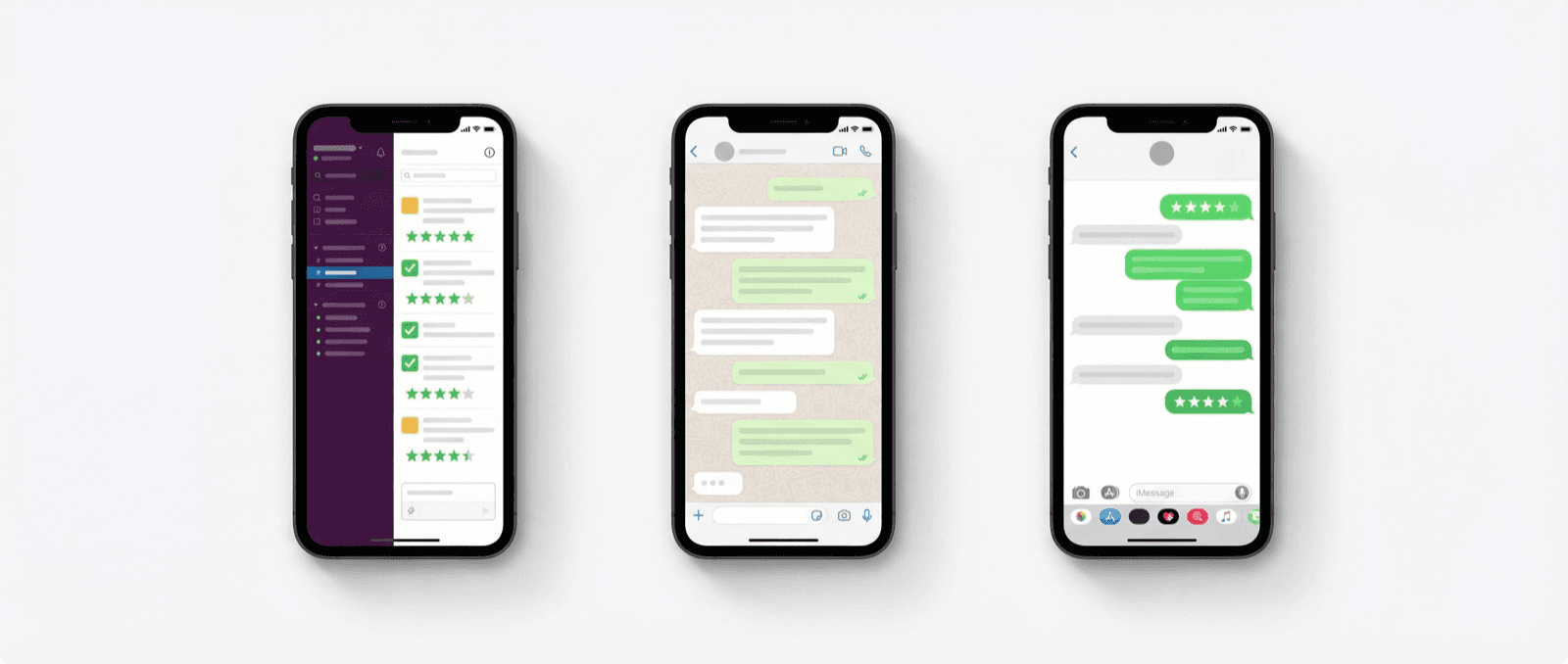

The Short Answer
- Use Slack mockups when the buyer needs workplace credibility.
- Use WhatsApp mockups when the proof should feel personal and broadly familiar.
- Use iMessage mockups when you want a clean iPhone-native presentation and your audience already lives in that visual language.
The app format changes how the same words are interpreted. That is why this comparison matters.
What Credibility Actually Means Here
In testimonial creative, credibility is not just "Does this look real?"
It is also:
- Does this feel like the place this conversation would actually happen?
- Does the app match the buyer, customer, or story context?
- Does the visual support the claim without overexplaining it?
Slack: Strongest for B2B
Slack carries workplace meaning instantly.
That makes it strong for:
- SaaS proof
- internal adoption stories
- agency and client presentations
- onboarding and ops wins
Why it works:
- It feels like team communication
- It suggests collaboration, not performance
- It supports specific, work-style language better than consumer apps
Where it fails:
- Consumer audiences may not emotionally connect with it as fast as WhatsApp
- It can feel too operational for lifestyle or creator campaigns
WhatsApp: Strongest for Broad Consumer Familiarity
WhatsApp is the most flexible option when you want the testimonial to feel personal and universally legible.
That makes it strong for:
- consumer product proof
- coaching and service testimonials
- international campaigns
- landing-page hero proof
Why it works:
- The layout is familiar in many markets
- Read receipts and timestamps add believable detail
- It feels like a private message instead of staged ad copy
Where it fails:
- It has less workplace credibility than Slack
- It can feel too informal for enterprise buyers
iMessage: Strongest for Clean Presentation
iMessage works when the visual language itself is part of the appeal.
That makes it strong for:
- Apple-first audiences
- polished deck visuals
- brand systems that want a minimal, clean phone-screen look
- props and references built around an iPhone context
Why it works:
- It is visually clean and easy to read
- Many audiences instantly recognize it
- It fits close-up product visuals well
Where it fails:
- It is less universal than WhatsApp
- It usually carries less workplace credibility than Slack
Decision Matrix
| Goal | Best pick | Why |
|---|---|---|
| B2B proof | Slack | Signals workplace context immediately |
| Consumer trust | Feels personal and familiar | |
| Clean Apple-native presentation | iMessage | Visually simple and recognizable |
| International audience | Broader default familiarity | |
| Pitch deck for enterprise buyers | Slack | Strongest business context |
Common Mistakes
Using iMessage because it looks cleaner
Clean is not the same as believable. If the message should live in a work tool, Slack usually wins.
Using Slack for a lifestyle brand testimonial
The format can add distance when the campaign needs warmth or intimacy.
Treating the words as more important than the context
The same quote can feel stronger or weaker depending on the app wrapped around it.
Adjacent Comparison
If you need creator-led proof, look at Instagram DM mockups instead of any of these three. If you need public reaction, move to comment mockups or social post mockups. If you need team-proof with a more enterprise feel than Slack, compare Teams mockups. For worked examples of launch threads and customer-win channels, read Fake Slack & Teams Messages for B2B Marketing.
Try it yourself
Create your first mockup in under a minute
40+ apps. Free to try, no signup needed.
Start your mockupAbout the author
Jordan Patel
Marketing Strategist
Jordan works with founders and growth teams to design testimonial visuals, ad creative, and pitch-deck slides that communicate trust quickly. He writes about practical ways to turn real conversations into persuasive marketing assets.
Tags
More from the blog
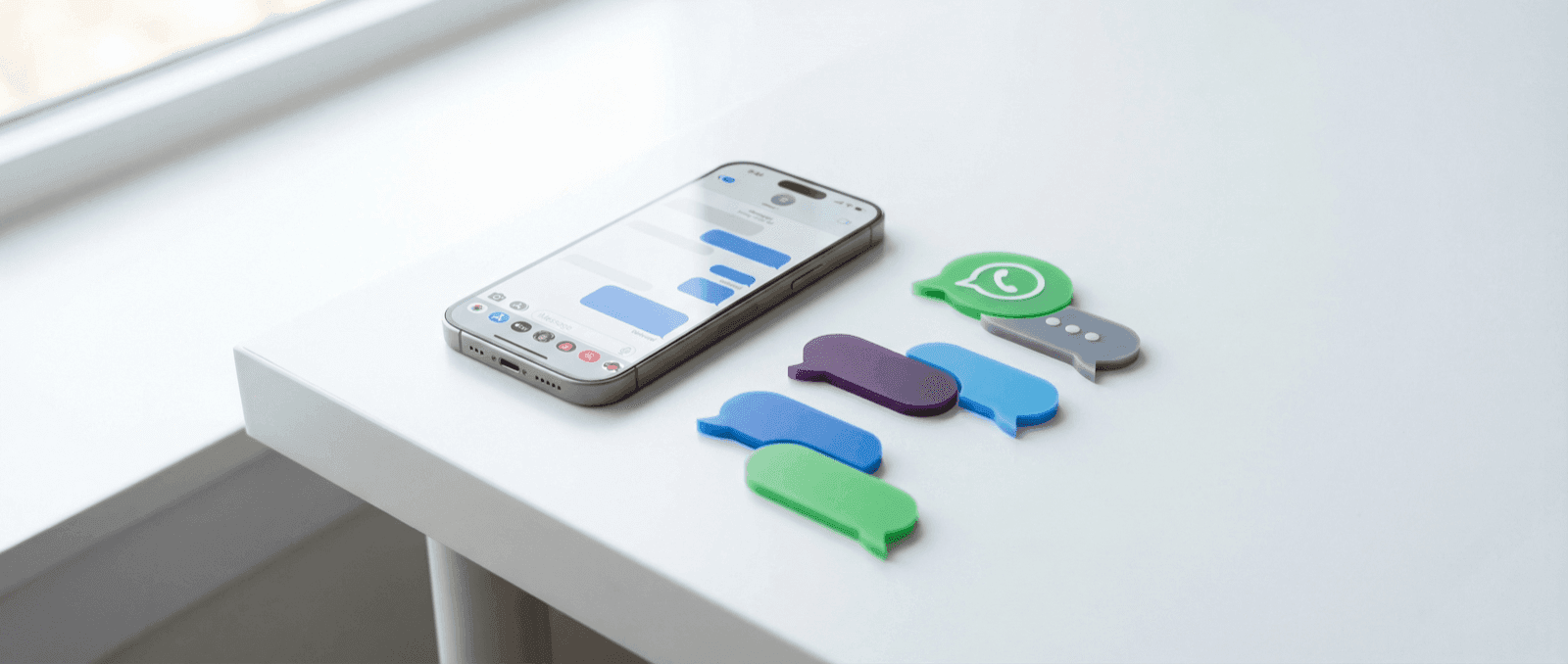
Best Mockup Format for Customer Testimonial Screenshots
How to choose between WhatsApp, Slack, iMessage, Instagram DM, and comment mockups for testimonial visuals that feel believable.
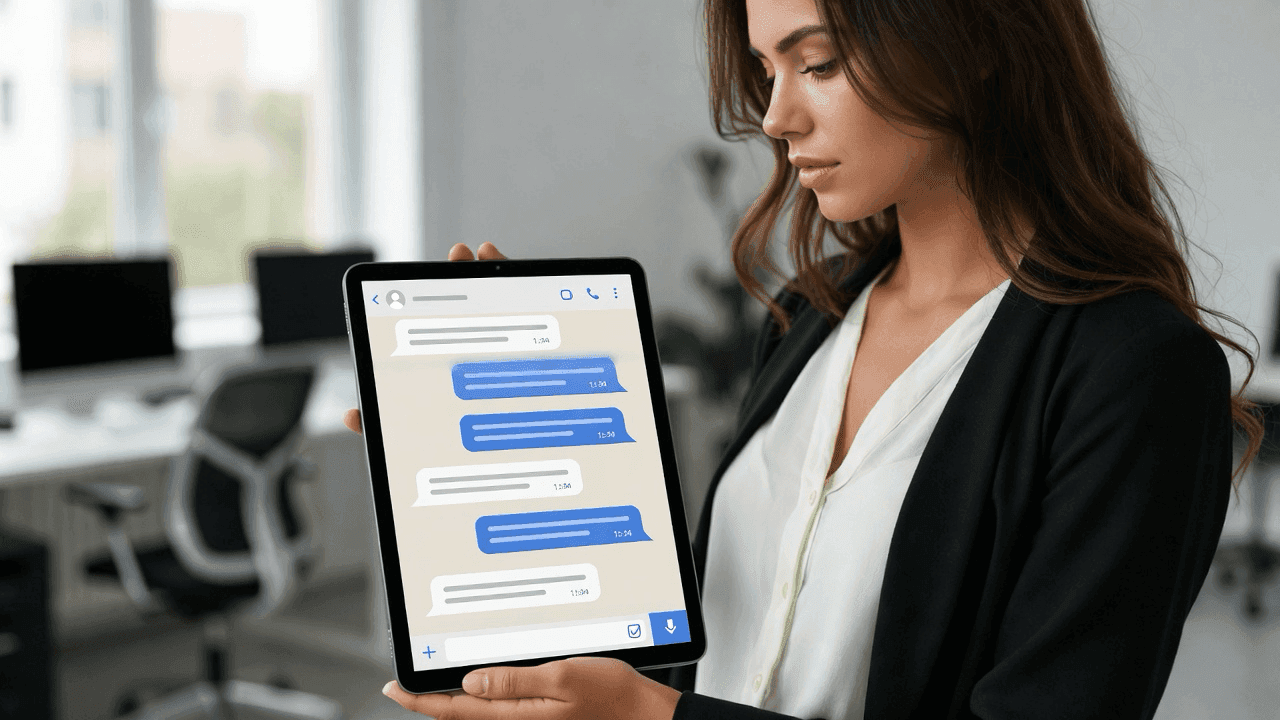
How Marketers Use Mockly for Campaigns | Free Screenshot Generator
Learn how marketing professionals use Mockly's free fake chat generator to create testimonials, social proof ads, and content marketing. Try for free.
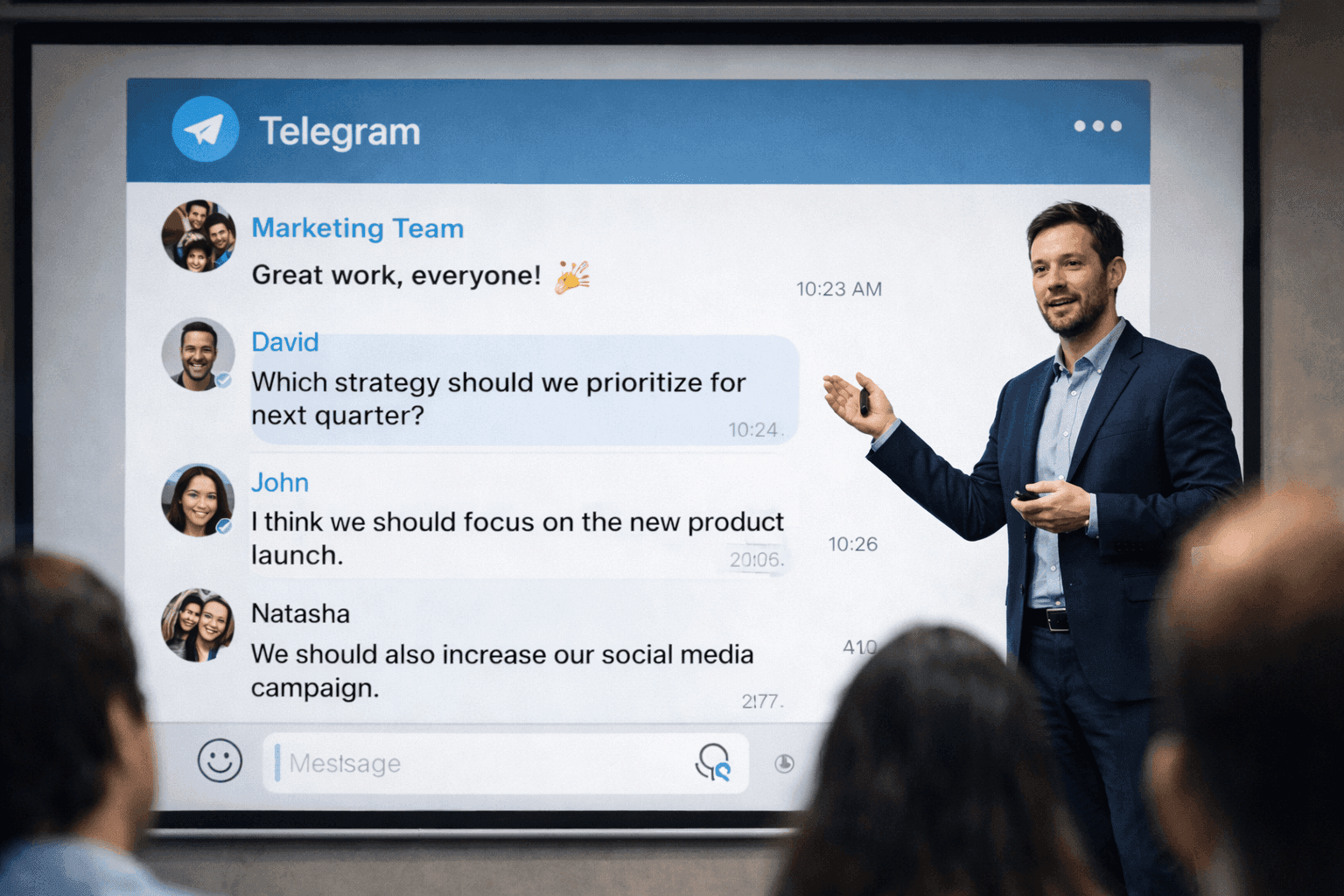
Message Mockups for Marketing Presentations (2026)
How to create message mockups for marketing presentations, pitch decks, and client proposals. Free tools for agencies and marketers.